LIVE BETTER
Cracking the cholesterol code
Almost half of us are thought to have elevated numbers, increasing the risk of heart complications. But it’s within your power to turn those stats around. This is one writer’s journey to do just that – and maybe even save his life
High cholesterol is an explosive health issue
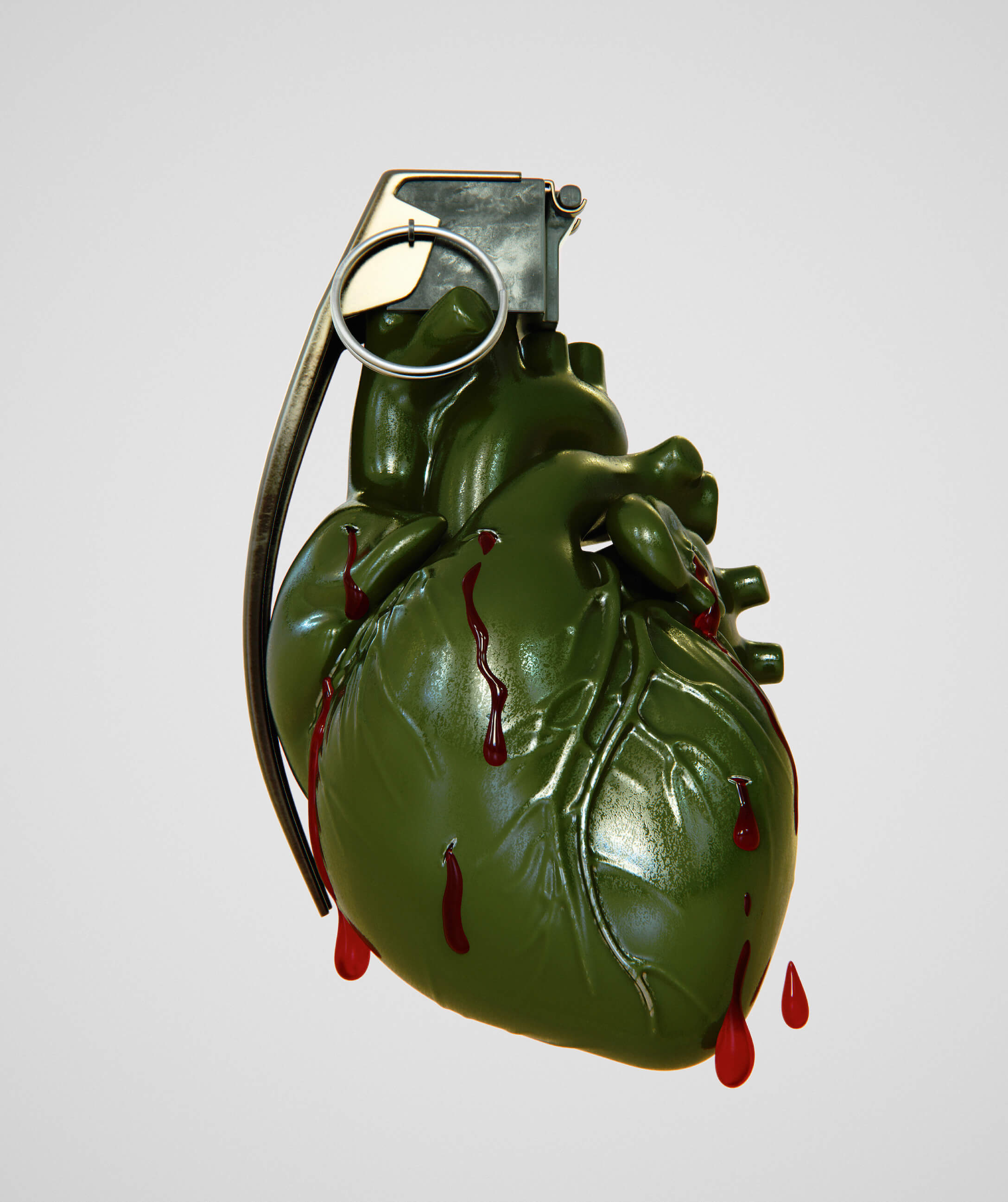
High cholesterol is an explosive health issue
At age 45, my LDL (or ‘bad’) cholesterol had spiralled out of control. To make things more complicated, I was sure I was doing everything right – for most of my adult life, I’ve maintained mostly 12% to 13% body fat, I’ve eaten a plant- and protein-rich whole foods diet and I’ve consistently exercised. Yet my cholesterol climbed to 7mmol\L – almost twice the optimal limit. It just didn’t make sense.
No one could explain why my LDL cholesterol was so high. The most logical explanation – a condition called familial hypercholesterolaemia (FH) – wasn’t at all comforting. It was genetics, and research shows that people with very high LDL and FH have a 22 times greater risk of developing coronary artery disease.
FH is treatable thanks to developments in statin therapy. But while I’m not anti-statin, I was concerned that by starting on one, I’d lower my LDL but perhaps wouldn’t be addressing a deeper health issue that was causing the elevated lipids. I wasn’t ready to risk that until I’d exhausted every other option. I wanted to make one more big push to lower my dangerously high cholesterol through nutrition, exercise and lifestyle optimisation. Trouble is, over the past few years, I’d only had modest success.
As the CEO of Precision Nutrition – a global leader in health and nutrition – I’m not lacking in know-how or resources. But I was now in ‘ruthless optimisation’ mode, which meant it was time to get molecular.
Enter Andy Galpin, a rock star kinesiologist at California State University, Fullerton, and a world-renowned expert on exercise science. Among his clients are some of the world’s most elite athletes, including Olympic gold medallists and MMA champions, as well as the US military. I worked with Dr Galpin because he’s also a co-founder of Rapid Health Optimization (RHO), where he and partner Dan Garner specialise in designing highly individualised plans – known as ‘biomolecular blueprints’ – for high-performing people who want to unlock their physiological potential. In short, they’re the most innovative health-optimisation experts on the planet.
What they do is seriously cuttingedge stuff that looks at factors such as micronutrient deficiencies, blood-marker abnormalities, hidden stressors and optimisation opportunities, and I hoped they’d finally be able to offer the cholesterol breakthrough I’d been searching for.
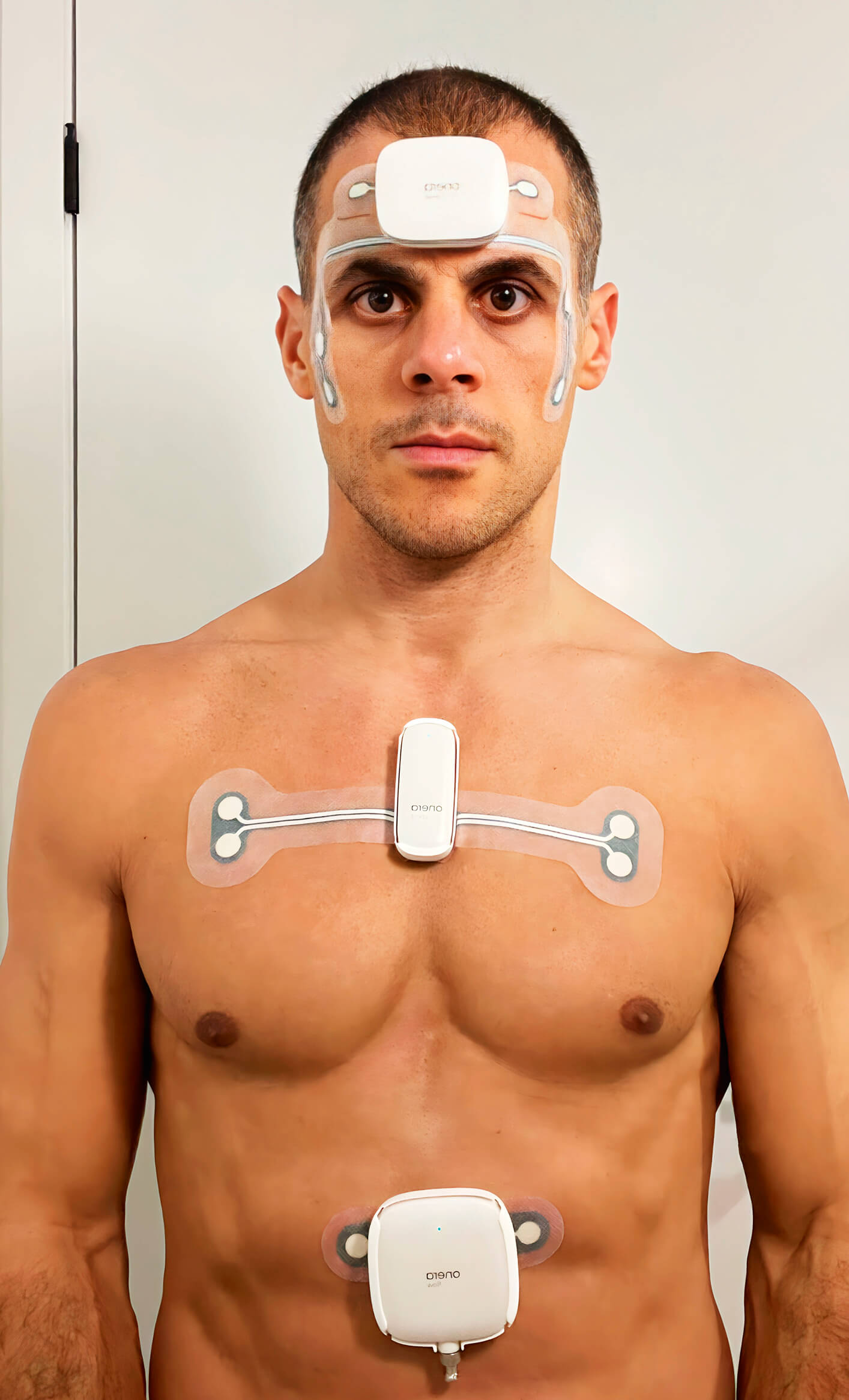
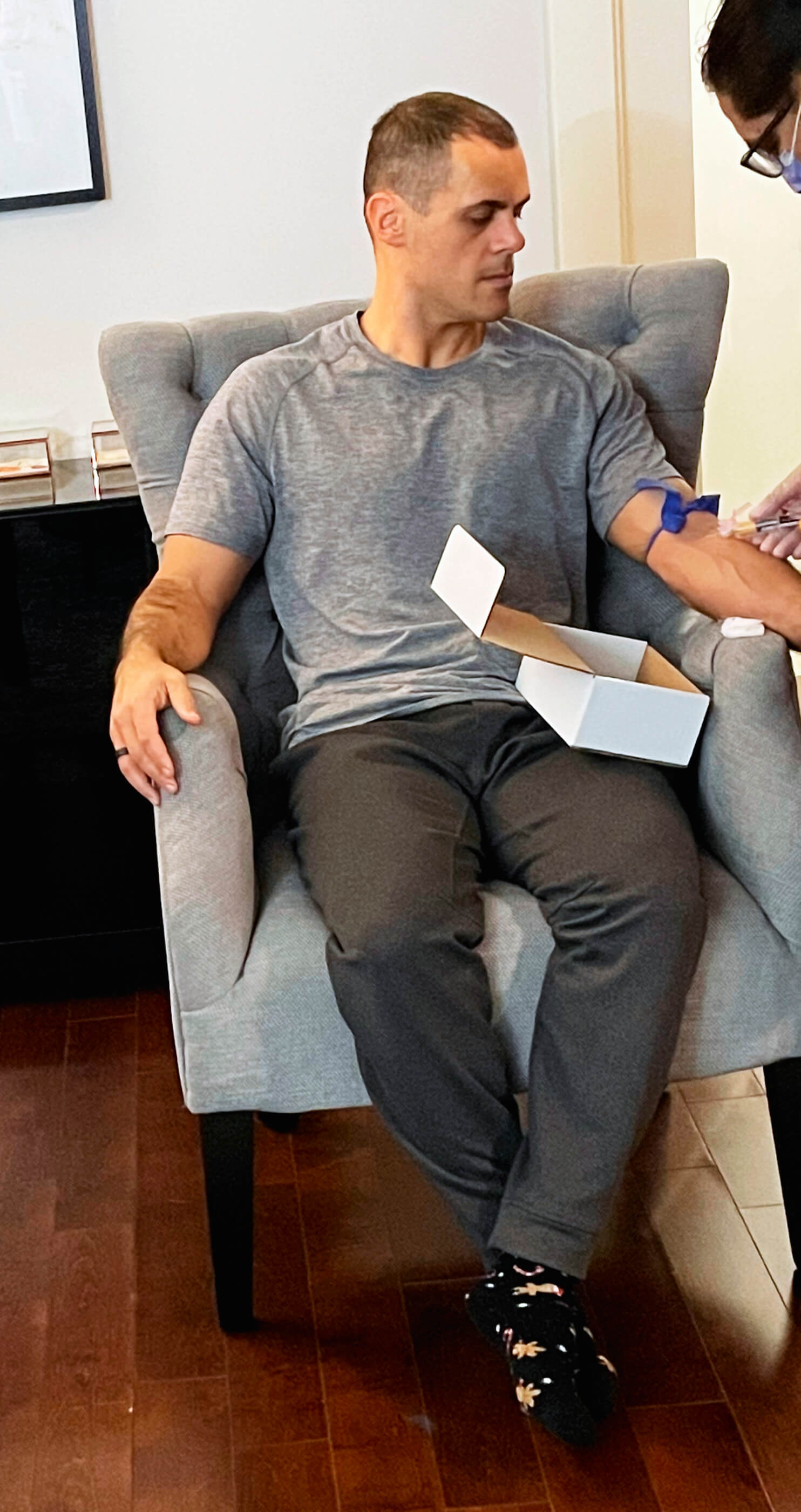
Optimisation starts with a lot of jabbing, spitting, pooing and peeing. But it was necessary so Dr Galpin and Garner could analyse more than 1,000 biomarkers related to my hormone health, antioxidant levels, gut health, brain chemistry, inflammation, metabolism and vitamin and mineral status. They also collected deep insights through psychological evaluations, rigorous fitness testing and a clinical-grade at-home sleep study. Then they created a state-of-the-art protocol customised to optimise my health from every angle you can imagine.
Full transparency: many of these recommendations, including certain supplements, were based on my specific test results, so they don’t apply to everyone. For example, blood tests showed that my body carried a ‘high chemical load’, so I was advised to eliminate foods, drinks and personal hygiene products stored in plastic containers. (Metal, glass and cardboard were acceptable.) We also discovered that I had H pylori, a potentially problematic bacterial infection in my gut, which was cleared up with an antibiotic and further treated with a broad-spectrum probiotic.
Those ‘hidden stressors’, as Dr Galpin calls them, were important to address for my overall health and could have been contributing to my cholesterol complications. But there were other, more universal factors that were critical. Some of them might not seem groundbreaking. Everyone knows that eating right and moving more help your cholesterol. The question was whether getting to the bottom of exactly what was off and being precise about how to change it would give me a plan that really worked. Through RHO, I also tracked everything and had experts review it, which helped me see the effectiveness of my actions. It also allowed us to shift things as we went along to focus on the biggest opportunities.
The real secret to success
When you hear ‘optimisation’, it’s natural to think ‘perfection’. But that’s not the case. ‘We’re just trying to stack the deck with as many things in the right direction as possible, as often as possible,’ says Dr Galpin.
And therein lies the secret: it wasn’t one never-before-seen hack that drove my life-changing results. Instead, it was learning how to consistently integrate the following five proven principles into my everyday life. Each is helpful on its own, but together, as I started to see over the next two years, their transformative power is exponentially greater. It’s one thing to know the principles to follow and another to put them into practice; I was fortunate to have a breakthrough with each that helped me execute them. Every one of the following strategies made me feel better, stronger and leaner. Would my blood work reveal that they could trump a troubling family history?
PRINCIPLE #1
Optimise your cardiovascular fitness
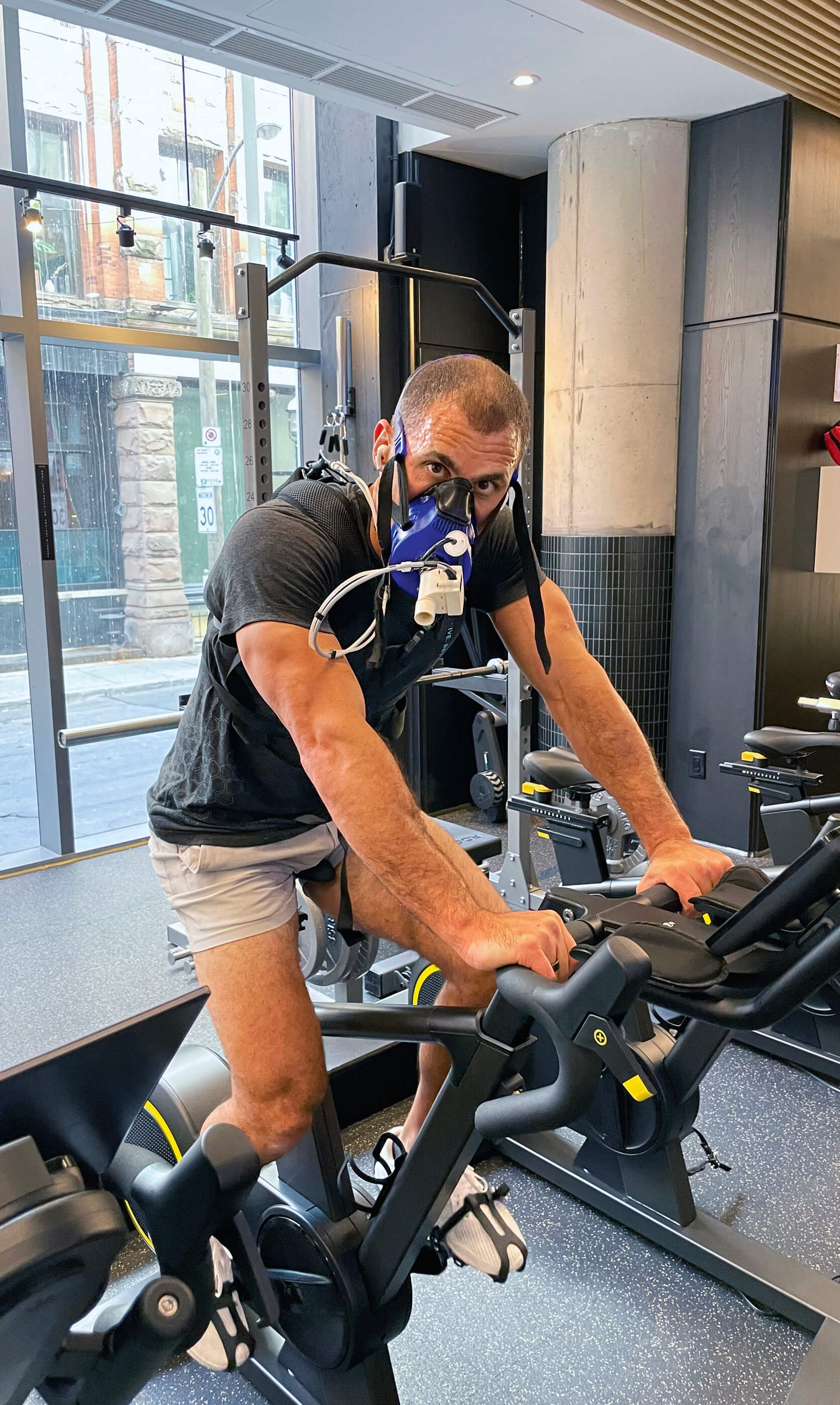
I’ve always prided myself on maintaining good physical fitness. But tests showed my VO2 max, a measure of cardiovascular fitness, was ‘insufficient’. This wasn’t because I was out of shape. It was because Dr Galpin sees this as the biggest health-optimisation opportunity – a measure that nearly everyone can push higher. ‘VO2 max is one of, if not the most, significant predictors of how long and how well you’re going to live,’ he says. ‘It consistently out-predicts smoking, diabetes and coronary artery disease.’ Whether through exercising more, losing body fat or boosting VO2 max itself, the RHO team has seen cholesterol drop as a result of optimising cardiovascular fitness.
‘Find an activity you like that challenges your cardio system and strive to improve,’ says Dr Galpin.
I took up boxing, muay Thai and krav maga, which provided high-intensity interval-like training that moved my VO2 max to over the 90th percentile for my age. Finding the right community, as I did with a boxing group in Nosara, Costa Rica, made me never want to miss a workout.
Breakthrough strategy: find your people. Soon after I started boxing, it became the highlight of my day. Not just because I like hitting stuff, but also owing to the human connection the activity fosters. I genuinely look forward to bonding with my new friends over tough training sessions, learning new skills and our shared passion.
PRINCIPLE #2
Focus on protein and fibre
‘Eat more protein and fibre’ is probably the least inspiring advice ever given. Everyone’s heard it – but most people don’t actually do it. What might happen if you did, though? Great things, says Dr Galpin.
‘If you consistently achieve the daily targets we set for protein and fibre, you’re likely to be shocked at what happens to your junk food cravings, meal satisfaction and overall calorie intake,’ he explains. ‘The sheer volume of food will fill you up, displace higher-calorie processed foods and give you an infusion of healthful nutrients.’
So what are these daily targets?
Protein: 1g per pound (0.45kg) of body weight, though Dr Galpin says that hitting 80% of that number is good enough.
‘VO2 max is one of the most significant predictors of how long you’ll live’
Fibre: 38g, which is about 18g more than the average British man consumes per day. When I prioritised my protein target and gradually upped my fibre intake from 24g to more than 38g a day – by eating more fibre-rich vegetables, beans and oats – not only did my LDL cholesterol improve, but it had never felt easier to lose fat.
Breakthrough strategy: go small and easy. Don’t try to double how much protein and fibre you get overnight. Instead, start by adding just 10g to 20g of protein and 5g to 10g of fibre to your daily intake. Once you’re having that much consistently for two weeks, repeat the process until you reach your targets. An easy way to do that: any time you can, make a choice that’s slightly better than you might have otherwise. Having a burger? Put a tomato slice on it. Already do that? Have two slices. When improving nutrition, we’ve been taught to subtract; figure out how to add instead.
Tracking all of my moves helped us keep tabs on which were working and which had less impact.
PRINCIPLE #3
Track what you want to improve
For two years, I’ve tracked just about every health, nutrition and fitness metric imaginable. I’ve recorded my daily calories, protein, carbs and fat with an app called Cronometer; workout intensity using a Polar heart-rate sensor; activity levels and sleep patterns with an Oura ring; blood sugar with a NutriSense continuous glucose monitor; and body weight, fat percentage and circumference with FitIndex. The team at Absolute Rest provided tools for assessing sleep quality and InsideTracker helped me monitor my blood biomarkers.
Here’s what I learned: tracking is invaluable for showing you what’s actually happening versus what you think is happening. And that awareness? It can be a game changer.
Breakthrough strategy: pick your spots. You don’t need to track everything at once or even track long-term. But if you aren’t getting the results you want, use tracking for a couple of weeks to fact-check your assumptions. Not losing fat? Track your food intake and activity levels. Have constant cravings? Track your sleep length or quality.
PRINCIPLE #4
Prioritise sleep like your results depend on it
I thought I was sleeping well, but my test results showed I had a borderline sleep disorder – with several waking events per night. That was likely causing me ‘invisible’ problems. ‘Poor sleep quality can have a negative impact on your mood, physical performance, cognitive capacity, stress levels, appetite, immune function, sex drive – you name it,’ says Dr Galpin. ‘It makes everything harder.’ Some evidence suggests that sleep disturbances can adversely affect cholesterol. Plus, good sleep sets the stage for making other changes that contribute to healthy cholesterol.
Dr Galpin says the first order of business is to set a regular bedtime – one that allows for a consistent minimum of seven hours of sleep. ‘Consistency of your sleep schedule is even more important than getting eight hours,’ he says. ‘It resets your circadian rhythm and hormonal responses, which leads to fewer awakenings and makes the sleep you do get far more restful.’
‘Consistency of your sleep schedule is even more important than getting eight hours’
Breakthrough strategy: build your awareness. If you have an Oura ring, Apple Watch, Whoop or other way to measure your sleep duration and consistency, keep track of a behaviour that affects sleep – such as alcohol intake, device use before bed, caffeine intake or the time you go to bed – and see what your sleep data tells you the next morning. It’s easy to do, but the results can be enlightening.
For example, before tracking, I’d have told you that one glass of wine had zero effect on my shut-eye. My sleep data tells a different story. When I have a drink, my resting heart rate is higher, my heart rate variability (a measure of recovery and stress resilience) is lower and I get less restorative deep sleep. While I still occasionally have wine, I now understand what the trade-off for that drink is. Is it worth it? More often than not, my answer is no.
PRINCIPLE #5
Stress management is the X factor
Without practising stress management, I’m confident my LDL cholesterol would still be through the roof. Research shows stress increases appetite, affects sleep, saps motivation to exercise and impairs decision-making ability.
And my stress level? It might’ve trumped my LDL. During the past few years, I’ve had to navigate my company through the economic impact of Covid, I’ve struggled with personal relationships, I’ve lost some friends and, tragically, my 39-year-old sister died in a car accident.
But we all have a lot of stress. And if you don’t work to manage it, staying the course with your health, nutrition and fitness can feel impossible. When people ask me how I’ve been so consistent, I tell them stress management is the number-one reason.
Breakthrough strategy: think on a continuum. Life will never go perfectly. You’ll get sick. You’ll have a work disaster. You’ll forget your lunch. For many people, these situations trigger a perfectionist, ‘all or nothing’ mindset, often resulting in nothing. (‘I can’t work out for 45 minutes, so I’ll skip the whole thing.’) That leads to self-criticism – which increases mental distress. Don’t succumb to the perfectionist’s dilemma. Instead, always choose to do ‘something’, no matter how small. With practice, you become more adaptable and resilient, both of which reduce feelings of stress.
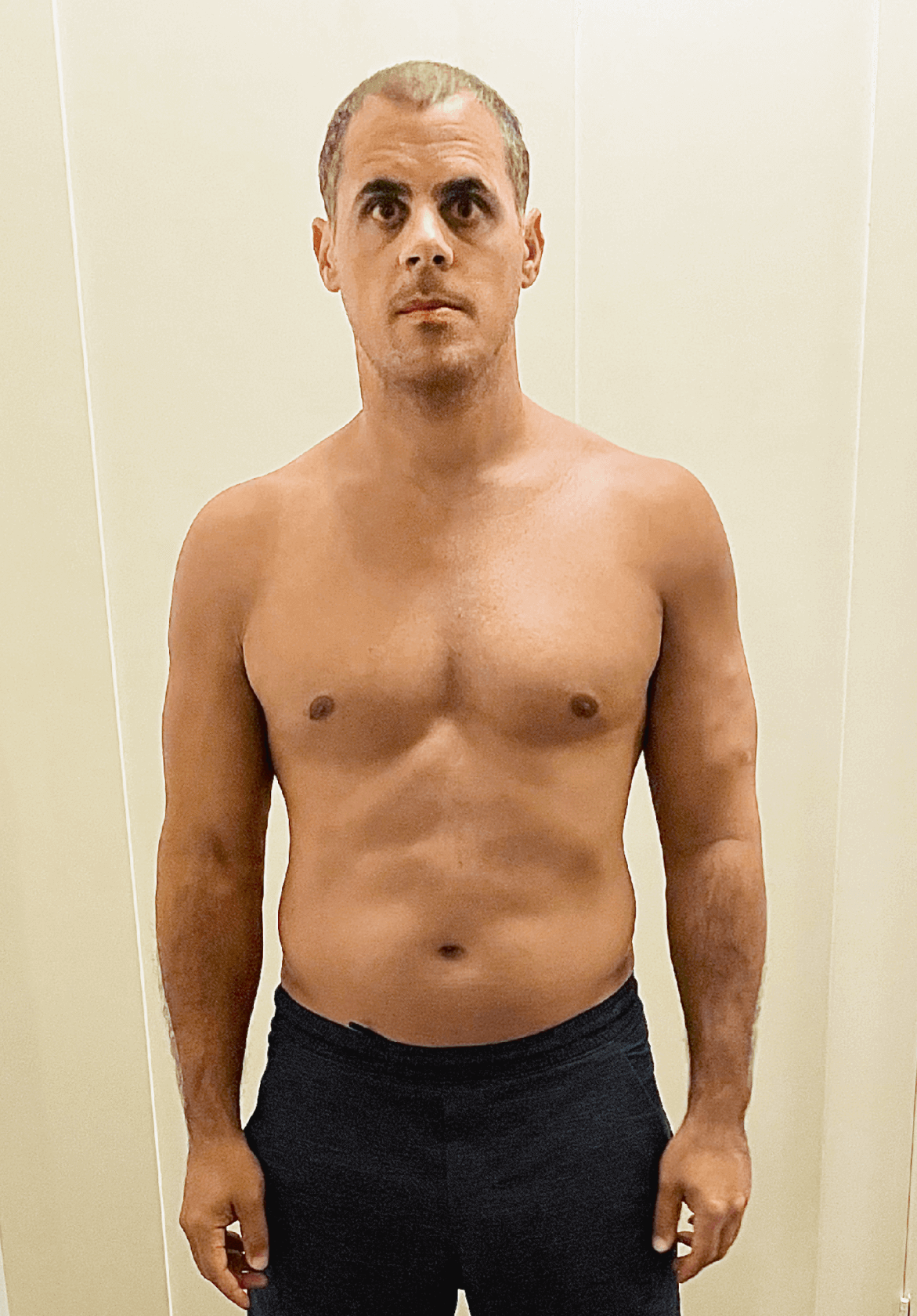
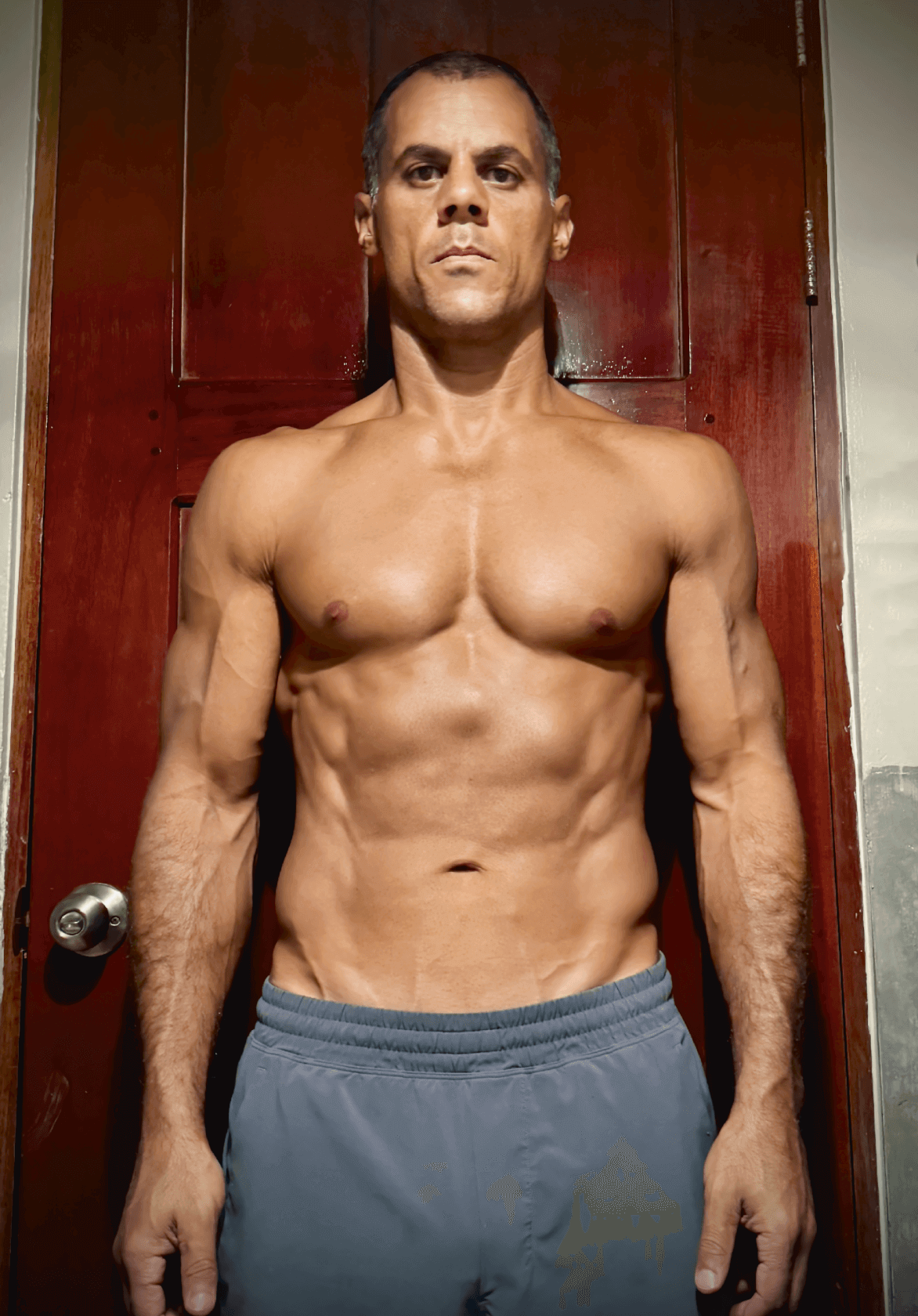
After two years, Jones was fitter and healthier – and more relaxed – than ever

After two years, Jones was fitter and healthier – and more relaxed – than ever
What happened to my cholesterol?
With all of these strategies put together, I not only cut my LDL cholesterol in half (yes, it’s 3.5 now), but I’m the leanest, fittest and healthiest I’ve ever been. What I learned along the way may have added years, if not decades, to my life. I’m not suggesting you have to go through all the tests and assessments I did. But what I discovered might help other guys do the same. Ten per cent body fat was never my goal and I wasn’t trying to get shredded. But as side effects go, they’re hard to beat. The icing on the cake: at my current chronological age, 47, my estimated biological age based on my blood tests is 37.
Most comeback stories wrap up here. But mine was just beginning. That’s because I injured my achilles tendon one month before my first appointment with RHO. It would’ve been acceptable to say, ‘I’m going to hold off until after my recovery,’ but I forged ahead.
‘Holy shit. That’s crazy.’ The text was from Sagar Desai, one of the world’s foremost orthopaedic surgeons. He was reacting to the video I’d just sent him: me, kite-foiling on Lake Ontario 99 days after he’d surgically repaired my ruptured achilles. (According to Dr Desai, it typically takes his patients five to six months to return to sports-related activities.)
It wasn’t easy: during my recovery, I gained 12lb (5.44kg) in eight weeks, thanks to lower activity levels. As a result, my LDL shot up. So, even though I was making extremely fast progress with my achilles, it felt like I was going backwards with my overall health. But if I’d waited until I was fully recovered? Those numbers would probably have been much worse. Plus, maybe I wouldn’t have healed so fast. And perhaps I’d even have become demoralised and given up altogether.
There was an important lesson here: progress isn’t always visible. One tiny action, no matter how imperceptible, can put you in a better place today than you were in yesterday. That’s how you gain momentum. And as your momentum builds, something magical happens: it becomes easier to make progress – and way harder to stop.
ARTWORK: PETER CROWTHER AT DEBUT ART